“The current extinction rate is tens to hundreds of times higher than the average over the past 10 million years – and it is accelerating … More than half of the world’s total GDP is moderately or highly dependent on nature and its services, and it is – therefore – exposed to nature loss” – World Economic Forum New Nature Report 2020. As we know, biodiversity loss is a critical issue that investors and the business community need to address.
Our Global Impact Database (GID) Biodiversity Data estimates the biodiversity impact of companies, investment portfolios, and value chains, providing actionable insights.
Quick links
- Read more about the method for biodiversity
- Impact reporting for CFOs – the impact of biodiversity
- Company-level biodiversity data 2023 release
Features of GID Biodiversity Data
The dataset covers all companies across the MSCI World Index universe with its 1500+ constituents, and includes the following features:
- Company–reported pressure data
- Company–specific value chain data, including upstream and downstream impacts
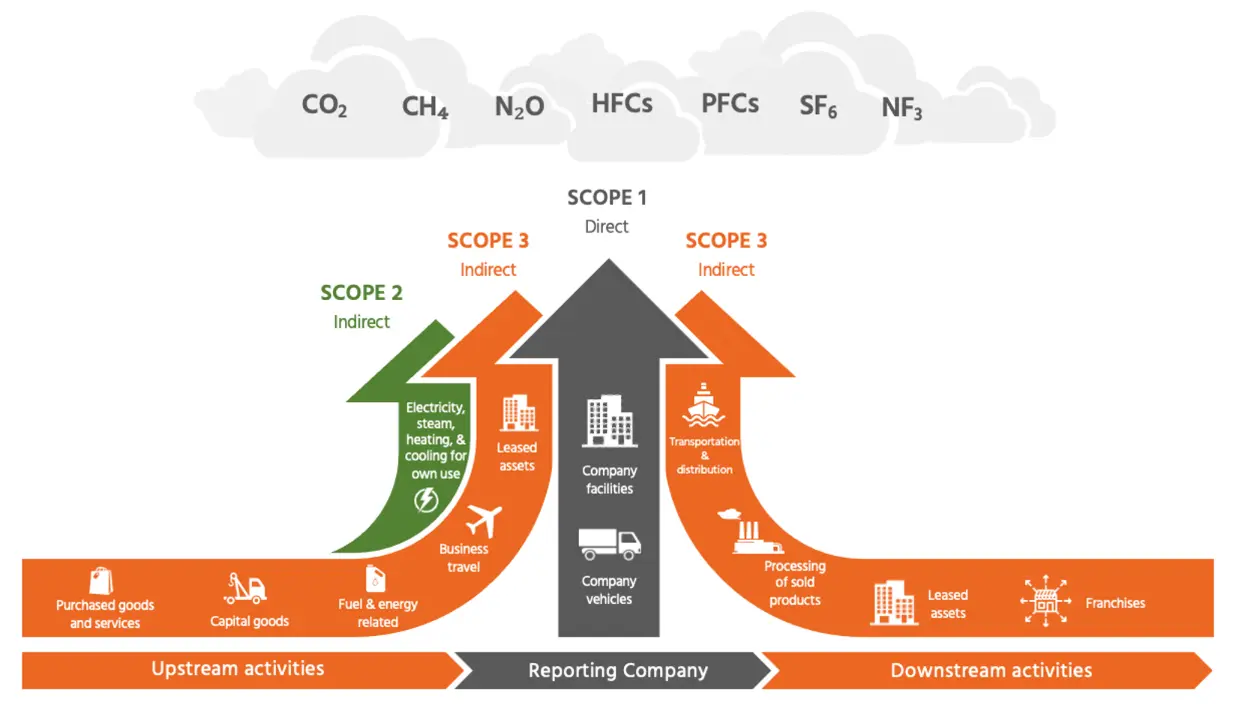
- Main biodiversity pressures: climate, air pollution, water pollution, water use, land occupation, deforestation
- Geospatial land use model for 42 crops
- Data for 9100 global sectors to fill gaps and provide impact and dependencies coverage for any universe
How to apply Global Impact Biodiversity Data?
Our Biodiversity dataset can be used to assess the biodiversity impact and dependencies of business-to-business interactions, investment portfolios and funds. Currently, it is being used by forward-thinking institutions – including universities, large banks and asset managers – to investigate the biodiversity impact of their projects and portfolios.


How our Biodiversity Impact Data helps with European regulation and TNFD compliance
Need to locate and evaluate the necessary steps for the Taskforce on Nature-related Financial Disclosures (TNFD)? Or need to comply with the biodiversity-related ESRS requirements (E4) from the Corporate Sustainability Disclosure Regulation (CSRD)? Our Biodiversity Impact Data can be used to locate and evaluate the necessary steps for compliance. Our regulatory experts can assist you in ensuring pre-assurance compliance. For more information about sustainability regulations see our Regulations Knowledge Base.
Who we help
Selection of our clients and partners




“Some people hide behind the lack of data when dealing with biodiversity. With everything out there you can already start making decisions to limit biodiversity loss and start finding ways to finance the conservation and preservation of nature”.
ARJAN RUIJS – Senior Responsible Investment Officer at Cardano
Method
Global Impact Database Biodiversity Data method in a nutshell
What is biodiversity? The variety of natural life in the world.
Why measure biodiversity impact? Biodiversity provides many services to society, such as cleaning the air or purifying water. However, biodiversity is rapidly declining and overshooting related planetary boundaries.
What causes biodiversity loss? In GID, we measure the biodiversity loss caused by land use, climate change, air pollution, water pollution, and water use.
How do we estimate biodiversity impact? Firstly, we look at emissions of GHG, emissions of pollutants, water use, land occupation, and deforestation. Afterwards, we translate them into relative species loss for different biomes.
- Granularity: Biodiversity loss is calculated for 140 countries and regions x 65 sectors.
- Value chain scope: Attributed impact results for the complete upstream and downstream value chain.
- Non-monetised biodiversity: Biodiversity impact measures the reduction of species compared to an habitat undisturbed by human activities, e.g. comparing naturally occurring forest with cropland.
- Monetised biodiversity: Value of nature is used to monetise biodiversity loss. We monetise following the True Price method.
How to use biodiversity data?
- Perform Hotspot analysis, based on countries and sectors, of operations or investments.
- Enhance hotspot using the value of B2B interactions, e.g. ROI for investments.
- Do companies’ own operations deep dive using company own operations data.
- Carry out value chain in-depth assessment using company value chain data.
Want to know more about the method? Read the detailed document here.
To find out more about Global Impact Database visit the GID page.